
HOME FARM

Proud Winner of Best Green Business 2025
For the first time in generations, Alscot Estate had an opportunity to consider its long-term land use strategy. This comes at a time where the agricultural transition in England, alongside a broader political agenda of tackling environmental crises, means that rural land management is now focused not only on quality food production, but also on environmental provision and social value.
As a result, Alscot’s ambition is to farm in a regenerative manner, and in September 2024, we began farming our in-house agricultural land of 715ha, regeneratively for the first time in decades.
In its broadest terms, regenerative agriculture refers to an approach that seeks to work with natural systems to restore and enhance the biodiversity, soil fertility and ecosystem service provision (such as carbon sequestration and water retention) of farmed land.
Regenerative agriculture aims to reverse the degradation of soils, focusing on rebuilding soil organic matter (SOM). Minimising soil disturbance and building up soil organic matter fixes carbon within the soil. Under regenerative models, as soils increase in fertility their water holding capacity also increases, thereby building the natural, biological productivity of the land and encouraging species growth. On the other hand, if land is intensively cultivated, it releases carbon into the atmosphere and water run-off is more frequent. Regenerative agriculture is, therefore, being proposed as a key solution to feeding growing populations, while also tackling climate change and the increasing environmental risk.
Home Farm is managed using regenerative, organic, and sustainable practices under the Government’s Sustainable Farming Initiative (SFI). This program requires a five-year commitment with a min two-year conversion process, ensuring strict adherence to sustainable farming guidelines. The conversion process, designed to produce nutrient-rich animal feed, is regenerating the land - improving the soil structure and quality, and laying the foundation for future organic food production, including heritage wheat and vegetables.
Baseline Surveys
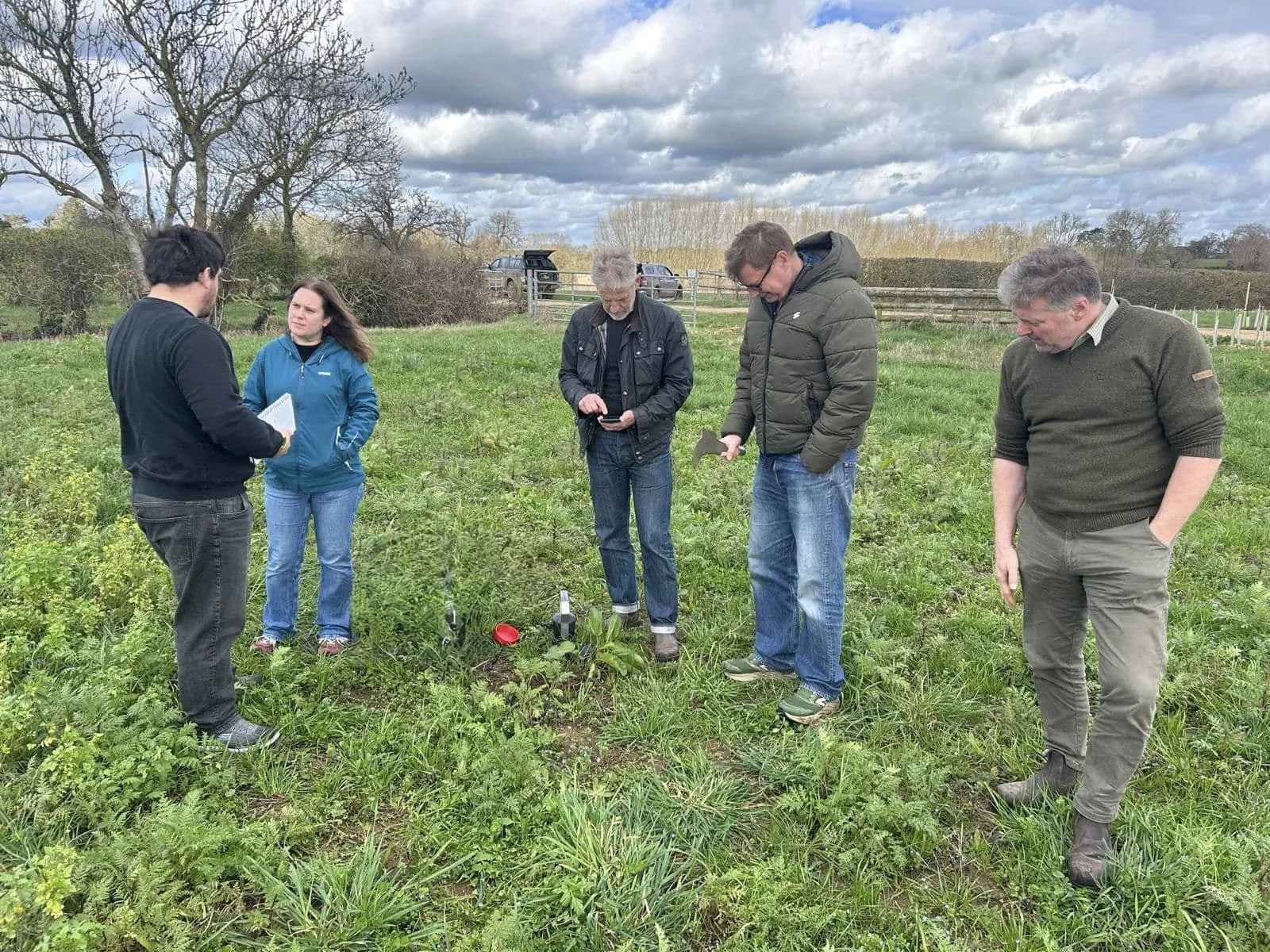
To effectively monitor, manage and enhance the land, we have conducted baseline surveys and analyses with independent professionals in the following areas:
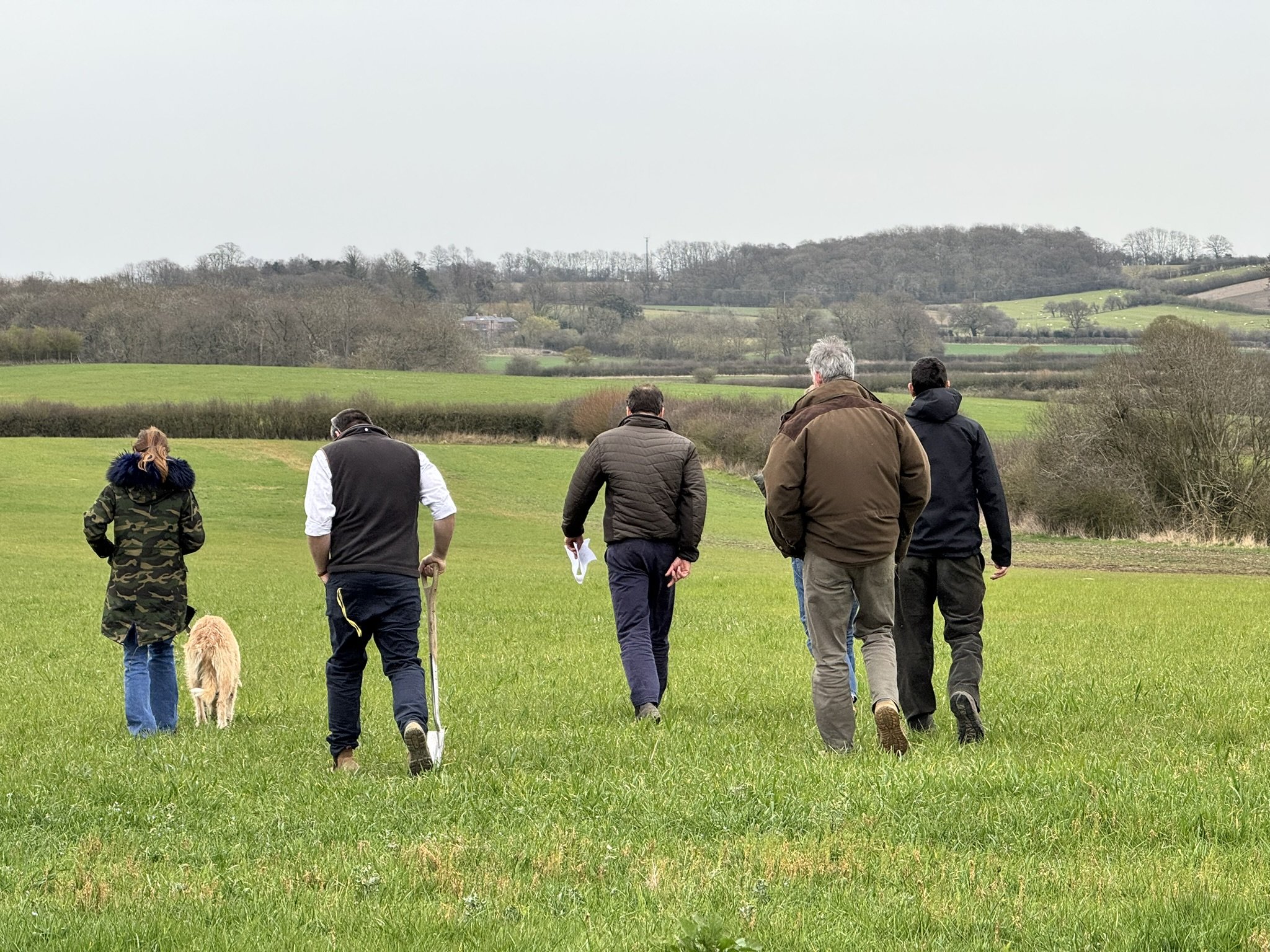
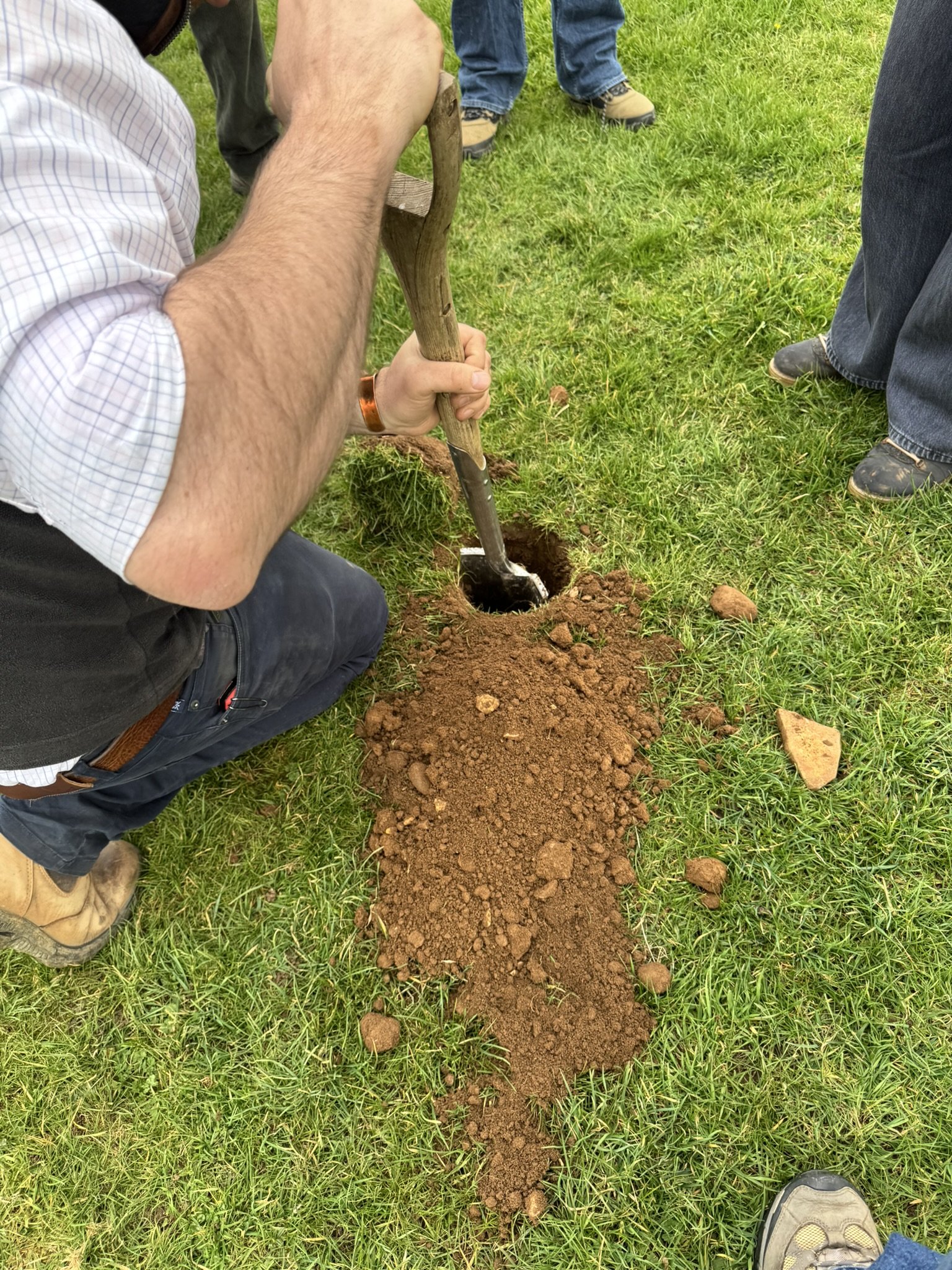
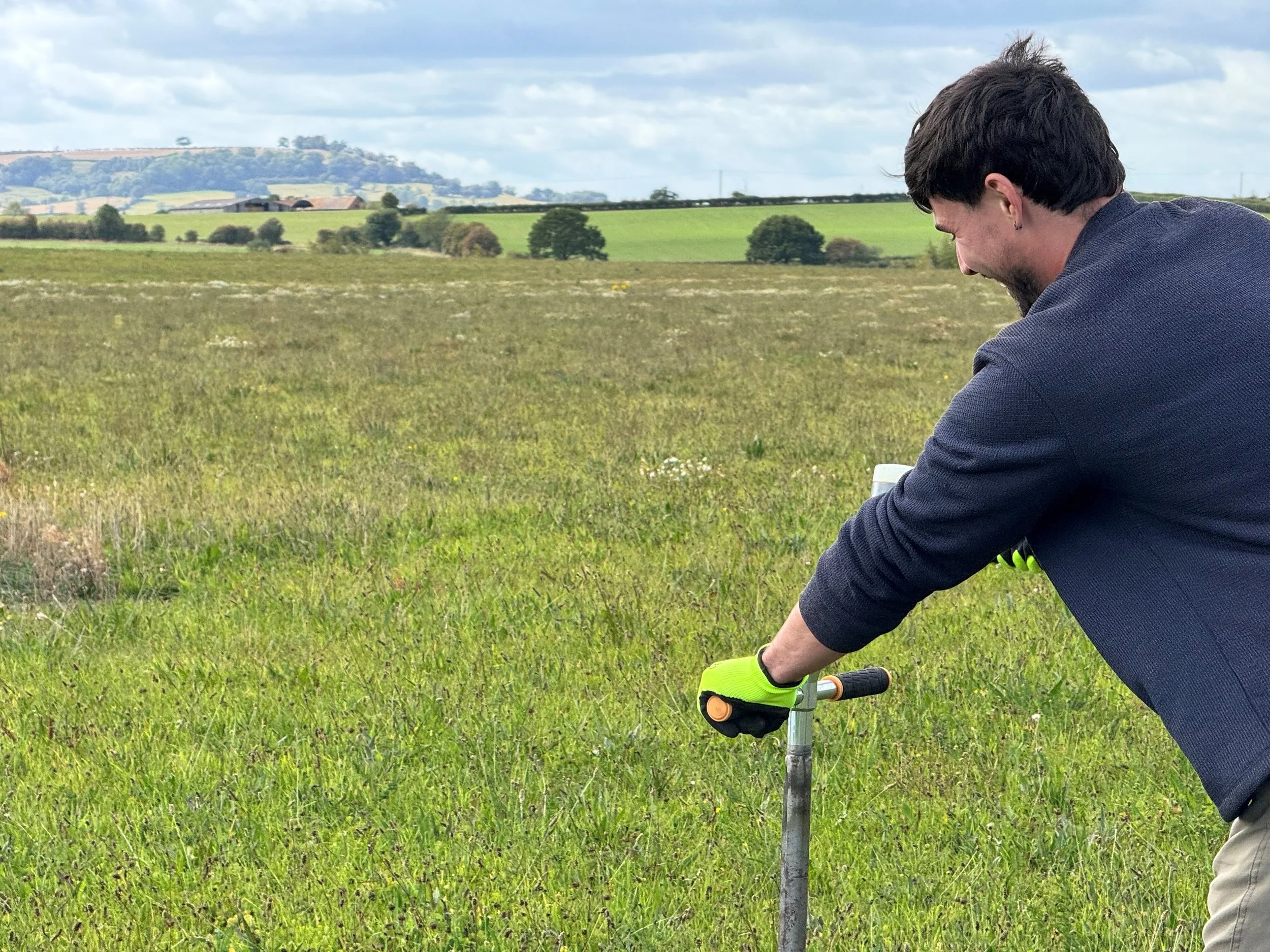
Soil - Measuring and recording nitrogen, phosphorus, potassium, organic matter levels, soil texture/structure, and water infiltration/retention. Comparative soil surveys are also conducted on inorganic soil elsewhere on the Estate.
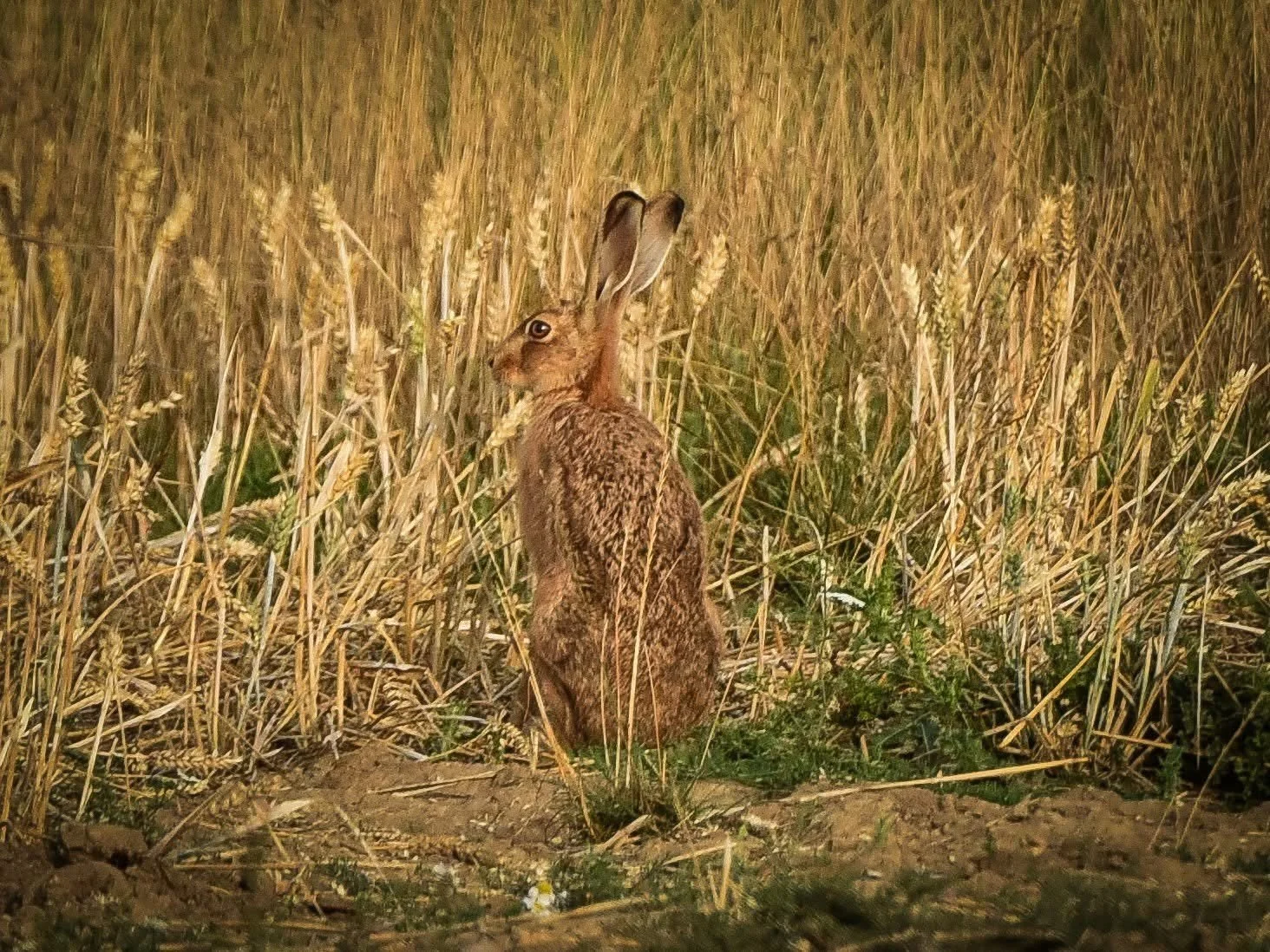
Birds - Seasonal surveys (winter, breeding, and summer) monitor bird populations and species diversity.
Plant Life - Arable and grassland surveys document the presence and diversity of plant species.
Hedgerows - An assessment of all hedges has been carried out to evaluate the hedgerows ecological condition and importance, recording height, width, species composition and associated features such as standard trees and ditches.
FWAG (Farming & Wildlife Advisory Group) Survey - This was a preiminary survey to identify areas of biodiversity growth that includes: scrubland, open habitat mosaics, how to keep the river cool, new woodland planations to create wildlife corridors and to identify potential flood risk areas.
Cropwise GPS Satellite Surveys - An agricultural monitoring system that uses satellite imagery and field data to help farmers monitor crops, vegetation health and field operations. The imagery shows which parts of the fields are healthy or stressed. It shows moisture data and can also estimate yields and detects areas of drought. disease risk. poor soil, flooding and nutrient shortages.
Ongoing surveys will continue to track improvements and ensure accountability.
Land Management Year 1 (Sept 2024 to Aug 2025)
Crops
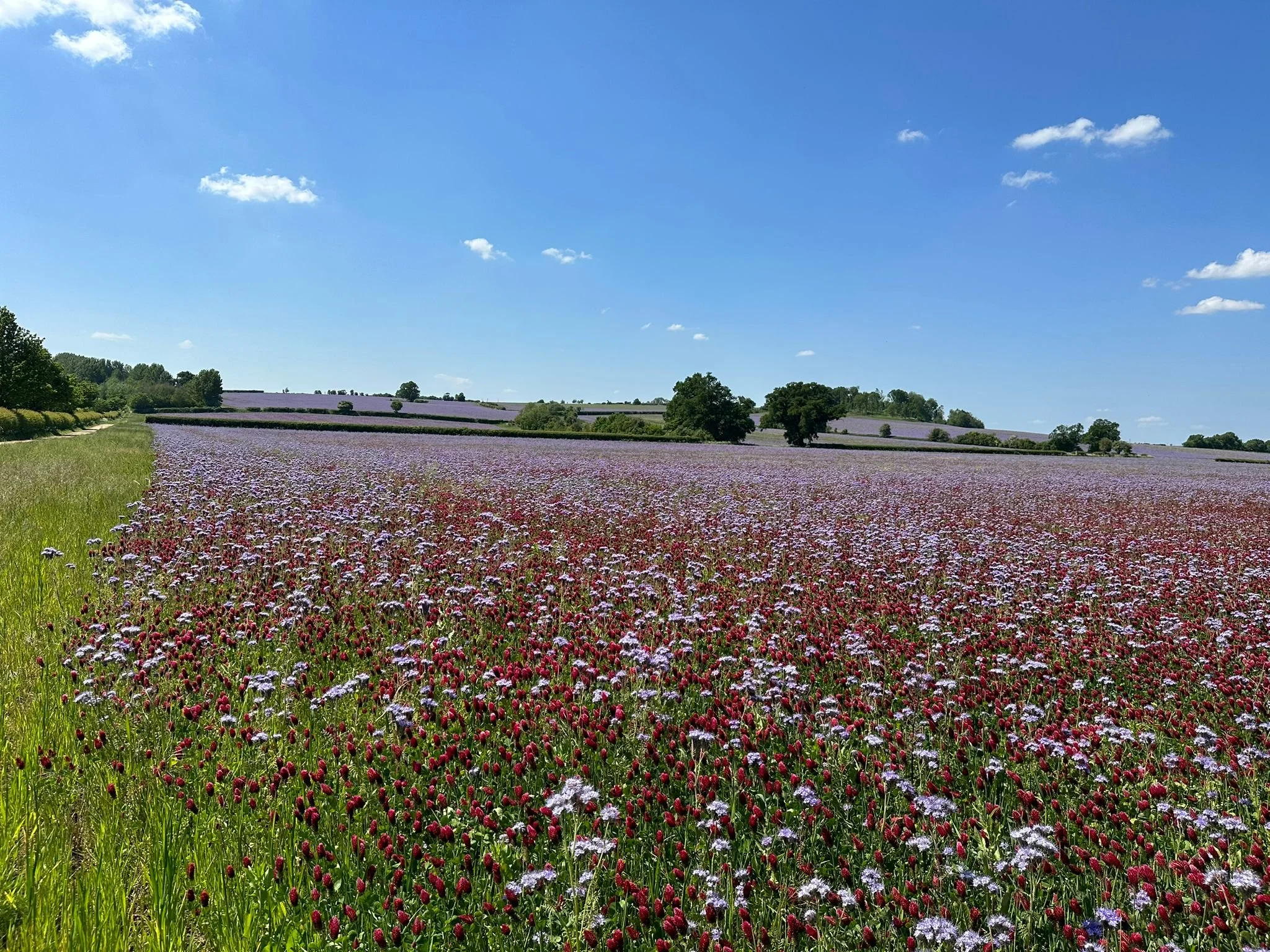
300 ha herbal leys, 200 ha legume fallow, 10 ha wild bird seed plots, 50 ha temporary grass leys, 2 ha species-rich grassland and the remaining areas are permanent pastureland.
To follow in dormant season 2025 - 50 ha woodland (to be established in 2025, with 8,000 broadleaf trees planted.

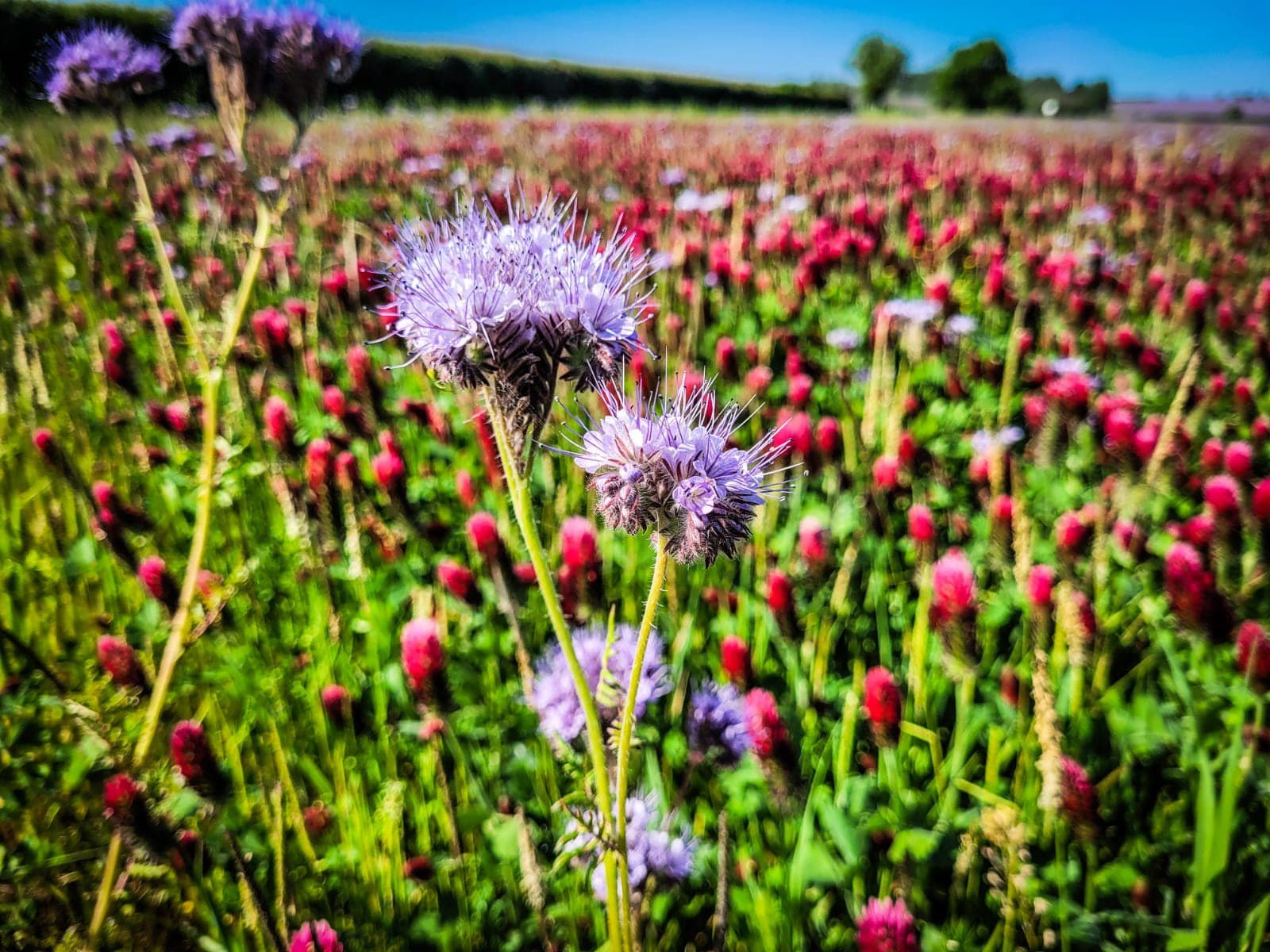
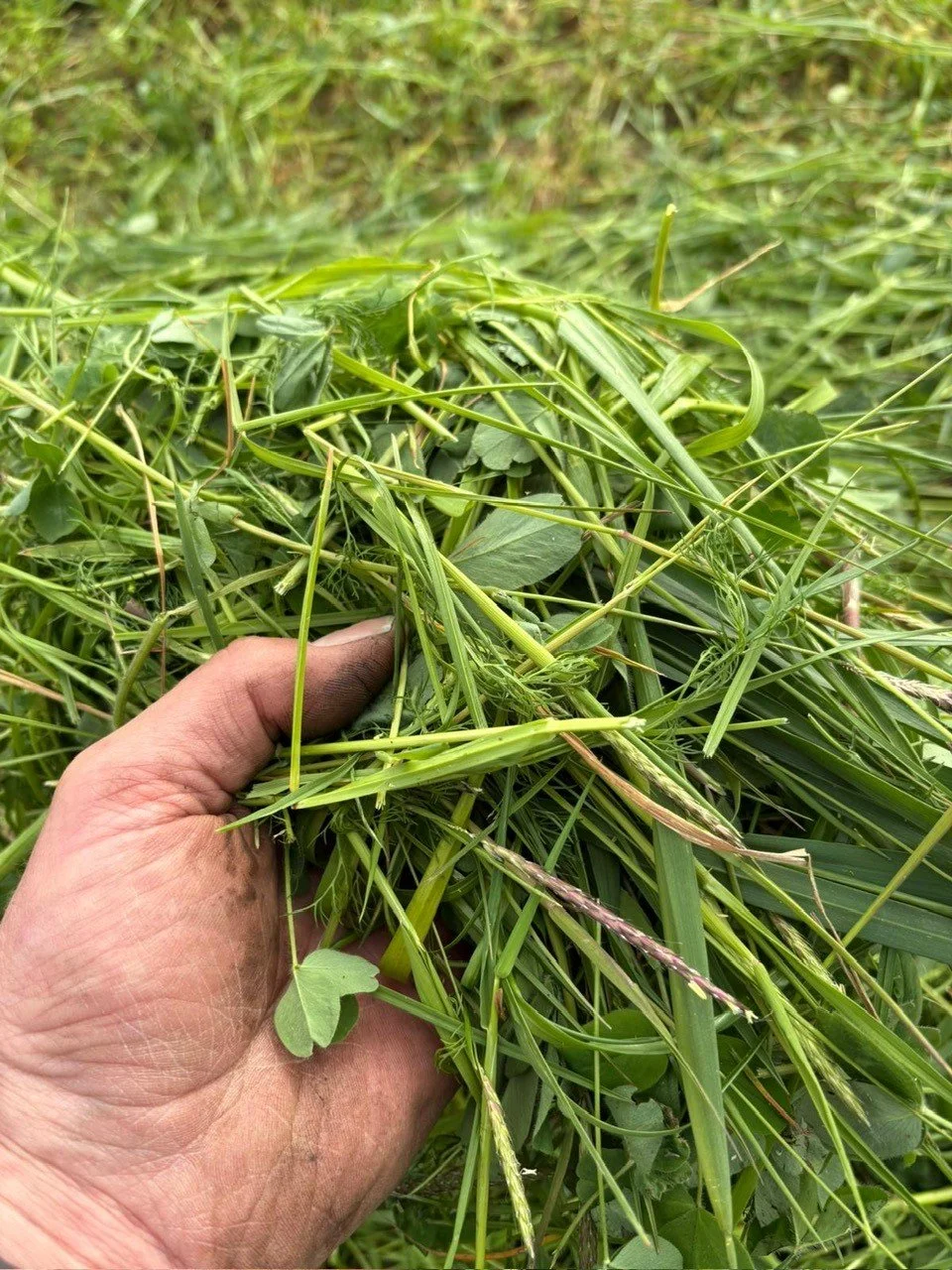
Benefits of Herbal Leys - Herbal leys improve soil fertility, structure, and water retention while increasing organic matter and benefiting animal health. They also support self-worming and high protein conversion rates. The selected species are based on thorough land assessments.

Legume Fallow Composition: 25% Sainfoin, 20% Lucerne,12% Crimson Clover, 10% Alsike Clover, 10% White Clover, 15% Red Clover, 8% Sweet Blossom Clover.
Half of the legume fallow cut for composting and reapplied to the soil, while the other half will remain to enhance organic matter.
Grass
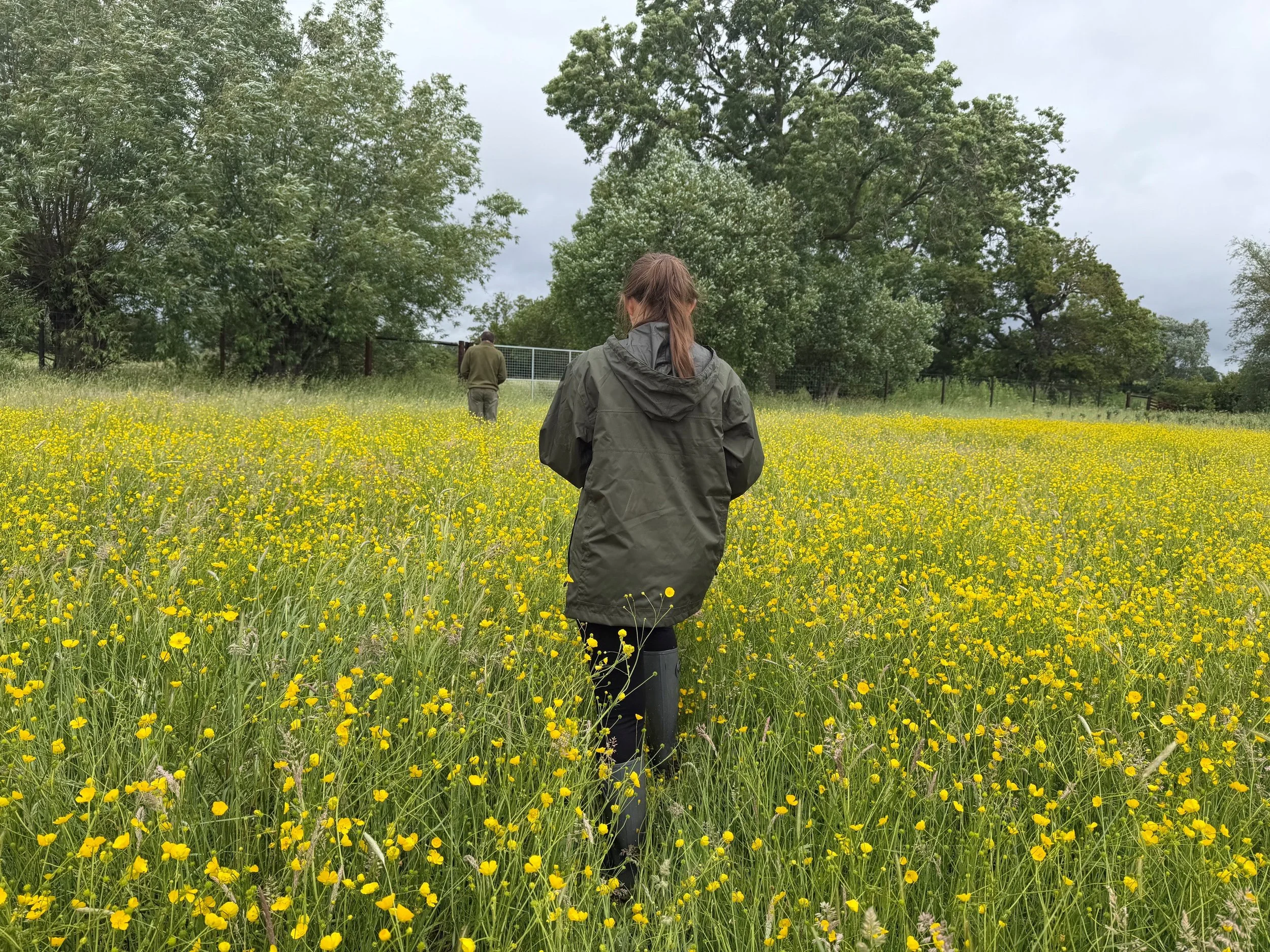
6m-wide grass margins around fields help manage water runoff and provide habitats for wildlife, including ground-nesting birds and wetland species. Species-rich grass meadows will support birds, bees, butterflies, moths, and other insects. Leaving the grass cutting as late as possible is designed to assist pollinators and ground nesting birds.
Existing Trees and Hedge Rows
SFI hedge cutting rules emphasize leaving a two-thirds length of hedges uncut each year or managing them on a three-year rotation. A 2-meter buffer strip on both sides of hedgerows is created within this zone where no cultivation or chemicals are allowed, these buffer strips to provide pollen, nectar, and berries for wildlife. The cutting height and width will be increased incrementally with each cut to encourage height and width in the hedge. New hedges will be created and existing ones enhanced.
Cricket Bat Willow Nursery
Eight mature willow trees were harvested, producing 800 todds (cuttings) for planting. It takes about four years for todds to establish before further cuttings can be harvested and replanted, with full maturation taking approximately 15 years.
Breeding Bird Surveys
To ensure consistency and robust results, a clear methodology was established for the Breeding Bird Surveys undertaken in June and July 2025.
The surveys produced excellent results, with a total of 64 species recorded. Of these, 13 are Red-listed, 18 Amber-listed, and 33 Green-listed species (with Red-listed species being the rarest and Green-listed the most common).
Including additional species recorded over the winter period, the running total now stands at 80 species. Notably, 42 species (53%) fall within the Red or Amber categories. This is a good result, particularly significant given the site’s limited extent of wetland and woodland habitats.
Red-listed species recorded include:
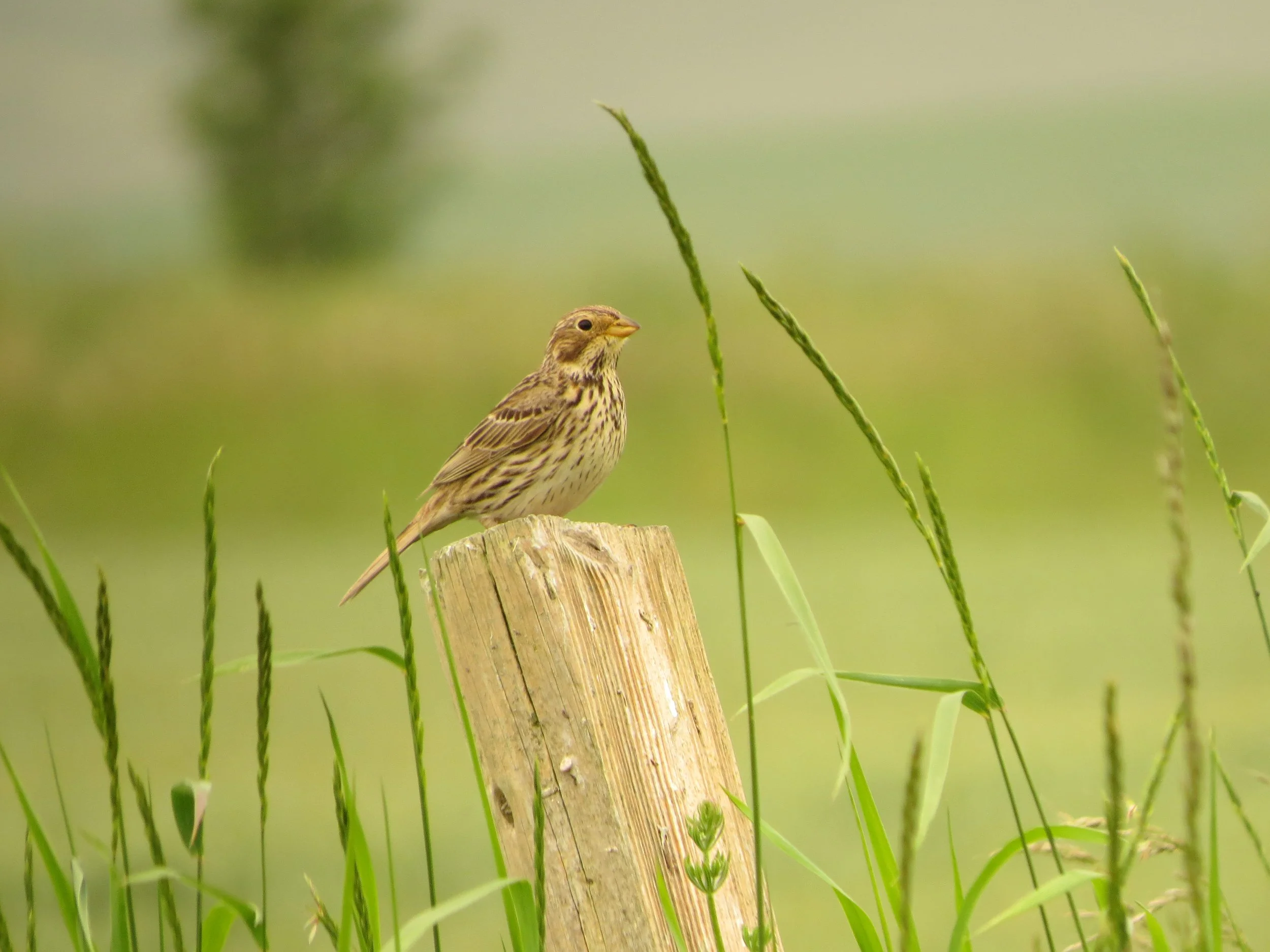
Corn Bunting – Very rare in this part of Warwickshire, making its presence an exceptional result. Corn Bunting is an arable priority species in England.
Greenfinch – Numbers declined sharply around 20 years ago due to disease, but the species now appears to be recovering. Greenfinches are increasingly widespread across farmland as well as gardens. The move to organic farming provides improved feeding opportunities and allows birds to spread into more territories—an important factor in maintaining healthy populations.
Linnet – A scrub-nesting species present at Alscot in excellent numbers. Linnets feed primarily on seeds, although their chicks rely on insects during their first ten days. New farming practices, including uncut field margins, support both feeding requirements by allowing foraging closer to nests, increasing food delivery and reducing predation risk.
Spotted Flycatcher – One of the UK’s fastest-declining bird species, thought to be affected by habitat loss along its sub-Saharan migration route. It was therefore particularly encouraging to record a healthy number at Alscot.
Living Lab
We are actively collaborating with leading organisations and researchers to explore the potential of a Living Lab project. This will provide valuable evidence on the wider impact of soil health on society. We are engaging with specialists in soil and sustainable earth sciences, bringing together experts from natural and social sciences, engineering, arts, health, and business. This interdisciplinary approach is key to driving debate, fostering innovation, and addressing global sustainability challenges.
Land Management Year 2 (September 2025 to August 2026)
Longhorn Cattle
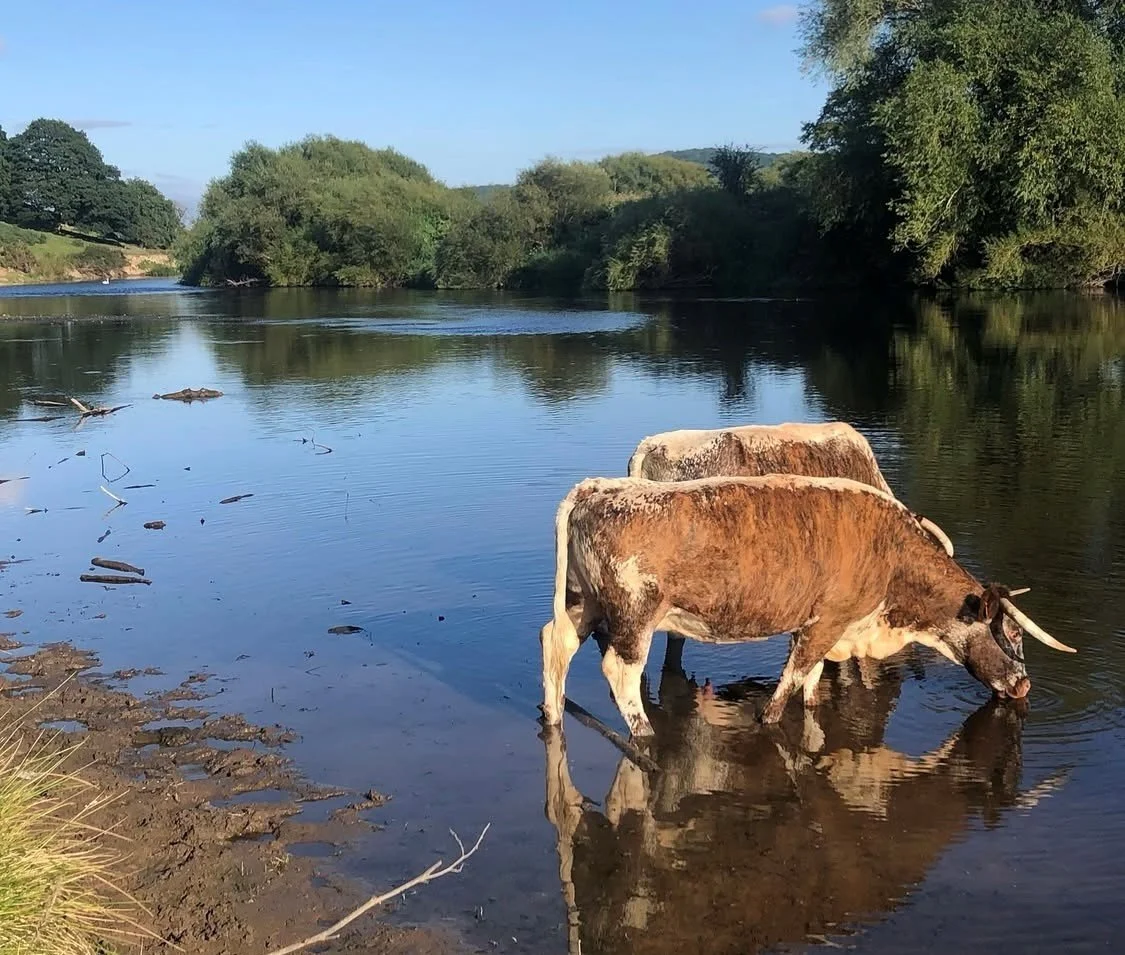
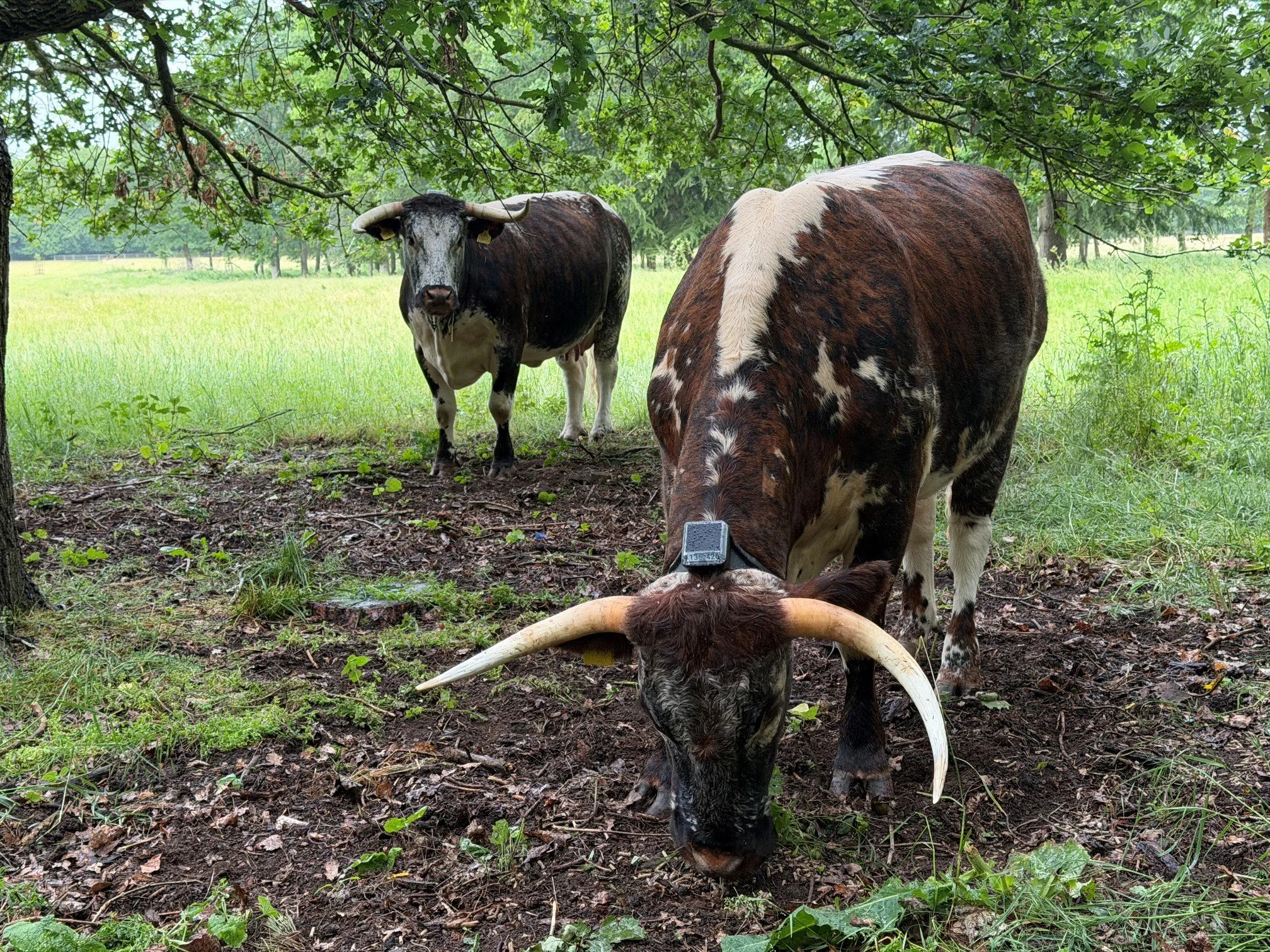
On 2 October, we introduced our first herd of pedigree Longhorn cattle to graze our natural grasslands and herbal leys — a key element in restoring soil health, supporting biodiversity and improving the long-term resilience of the land.
Our foundation herd was carefully selected from pedigree breeder Archie Corrie of Leighton Farm, Shropshire, and comprised our matriarch heifer, Unity, with her heifer calf Zabrina, together with three in-calf heifers — Xola, Xeronema and Ximena — all aged between 26 and 28 months.
These pedigree cattle play an important ecological role within our regenerative farming system and form part of our long-term ambition to produce organic food, grown and reared in harmony with nature.
Longhorns are particularly well suited to conservation grazing. They use both their tongues and horns to graze, creating a natural coppicing effect on trees and shrubs that encourages plant diversity and helps manage scrub. As a traditional native breed, they thrive on low-input, grass-fed diets and adapt well to natural grazing systems.
Through their grazing activity they help increase soil carbon, while their manure naturally enriches the soil and supports beneficial microorganisms. They also play an important role in seed dispersal, carrying seeds on their hooves and coats, as well as through their digestive system, helping to increase botanical diversity across the landscape. Their calm temperament also makes them particularly suitable for grazing land with public access.
In May, the herd welcomed three calves: bull calves Albert and Arthur, and heifer calf Augusta. Sadly, we lost our first-born calf earlier in the season.
With only one surviving heifer calf and a desire to strengthen the breeding herd, we purchased a further eight pedigree females from Leighton Farm. These included bulling heifers Yam, Yadira and Yoyo, yearling heifer Zippo, together with first-calved cows Xiomara with heifer calf Apple, and Xayah with heifer calf Athena.
Crops
Between October and April, herbal leys at Radbrook and Beecham were overseeded to improve pasture diversity and productivity. Early establishment allowed the areas to be lightly grazed soon after sowing, encouraging healthy sward development.
Organic Composting
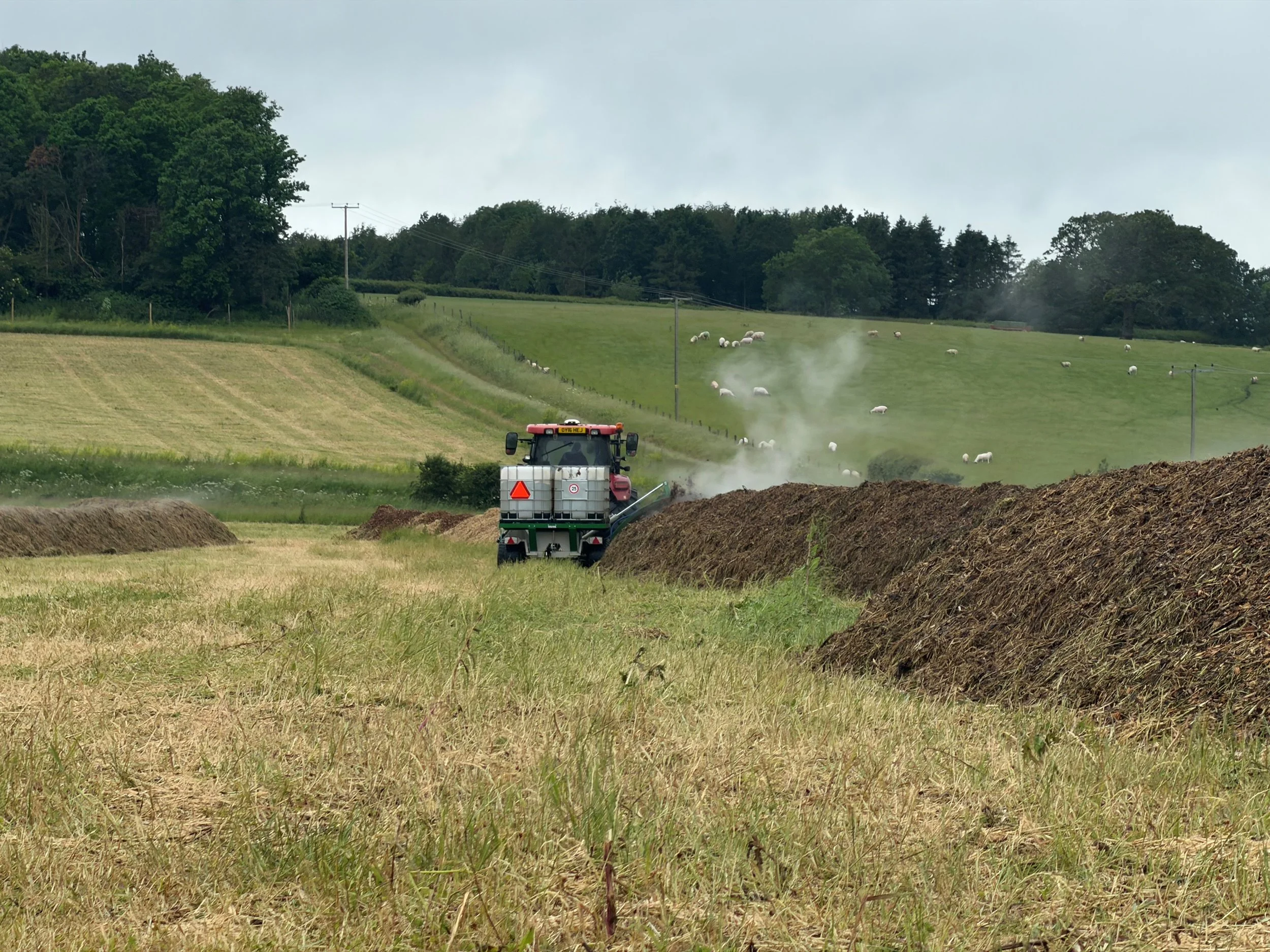
This summer, approximately 60 acres of herbal leys have been set aside for the production of our own organic compost.
The compost will be returned to the land to increase soil organic matter, with priority given to fields identified through soil testing as having the lowest baseline levels.
As an organic farm, we do not use synthetic fertilisers. Producing our own compost provides a natural alternative, improving soil structure, increasing water retention, enhancing workability and supporting beneficial soil biology. Combined with managed livestock grazing, this approach forms a key part of our strategy to improve long-term soil fertility.
Grazing - Organic Sheep
During the autumn and winter, we partnered with Daylesford Organic and neighbouring farmers to graze our Sustainable Farming Incentive (SFI) land with organic livestock.
Approximately 700 organic Lleyn sheep grazed around 650 acres of overseeded herbal leys between October and December.
This managed grazing contributes significantly to improving soil structure, recycling nutrients, increasing biodiversity and supporting our wider ambition of producing healthy, sustainable organic food.
Trees and Hedge Rows
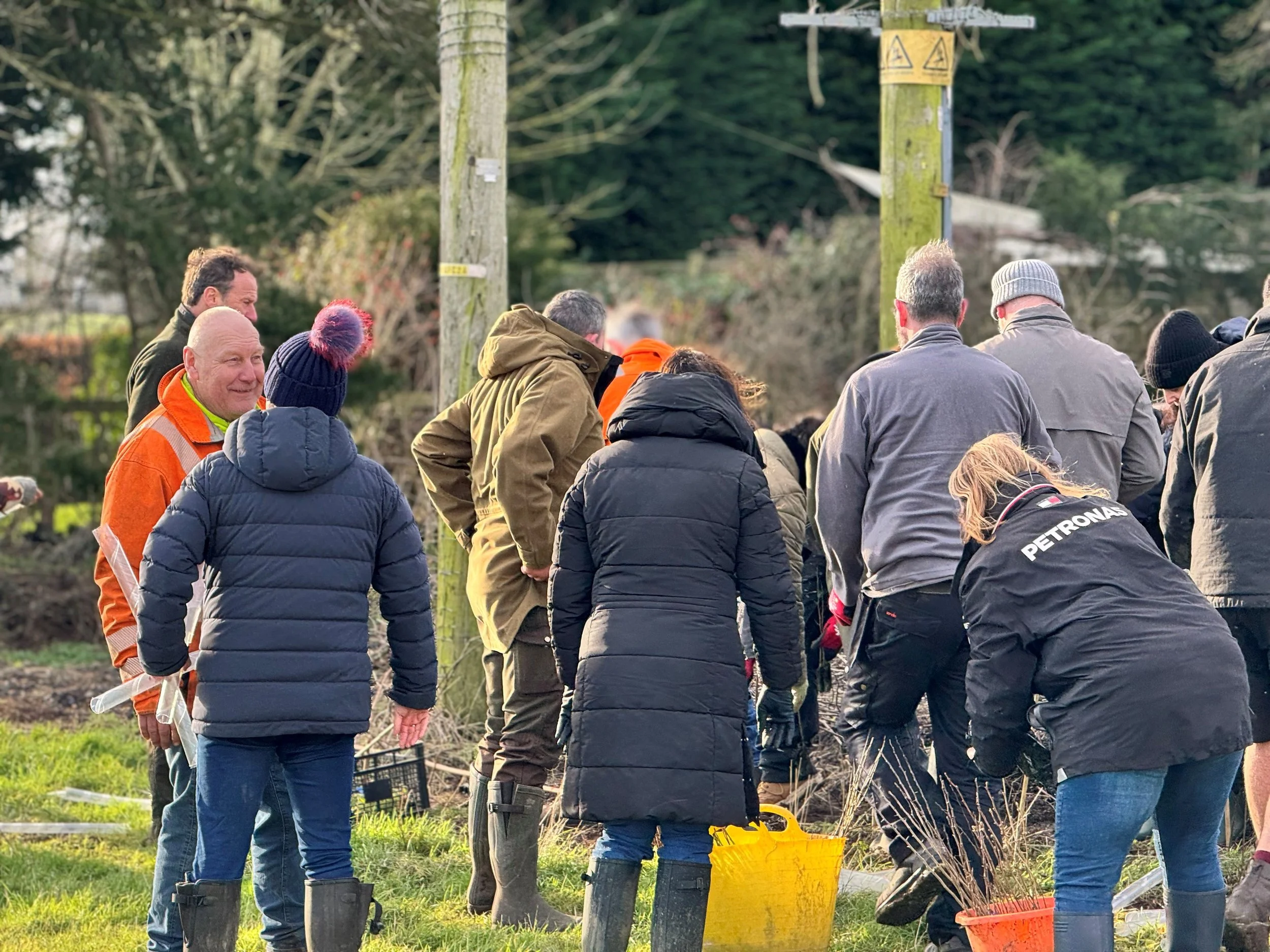
Tree planting within The Grove has commenced as part of our wider woodland creation programme. During the 2025–2026 dormant planting season, we planted approximately 8,000 broadleaf trees comprising a diverse range of native species.
These new woodlands will enhance the historic landscape, provide valuable habitats for wildlife, improve biodiversity and capture carbon for future generations.
We also planted 1,250 metres of new mixed-species hedgerows, including hawthorn, blackthorn, hazel, holly, dogwood and guelder rose, creating wildlife corridors, shelter belts and valuable food sources for birds and pollinators. Native fruit trees, including apple, pear and plum, have also been incorporated where appropriate.
Most hedgerows are managed on a biennial cutting cycle in accordance with SFI guidance. Roadside hedges, however, will be cut as late as practical to retain berries and other fruits throughout winter, providing an important food source for birds while continuing to meet our health and safety responsibilities.
Expansion of Cricket Bat Willow
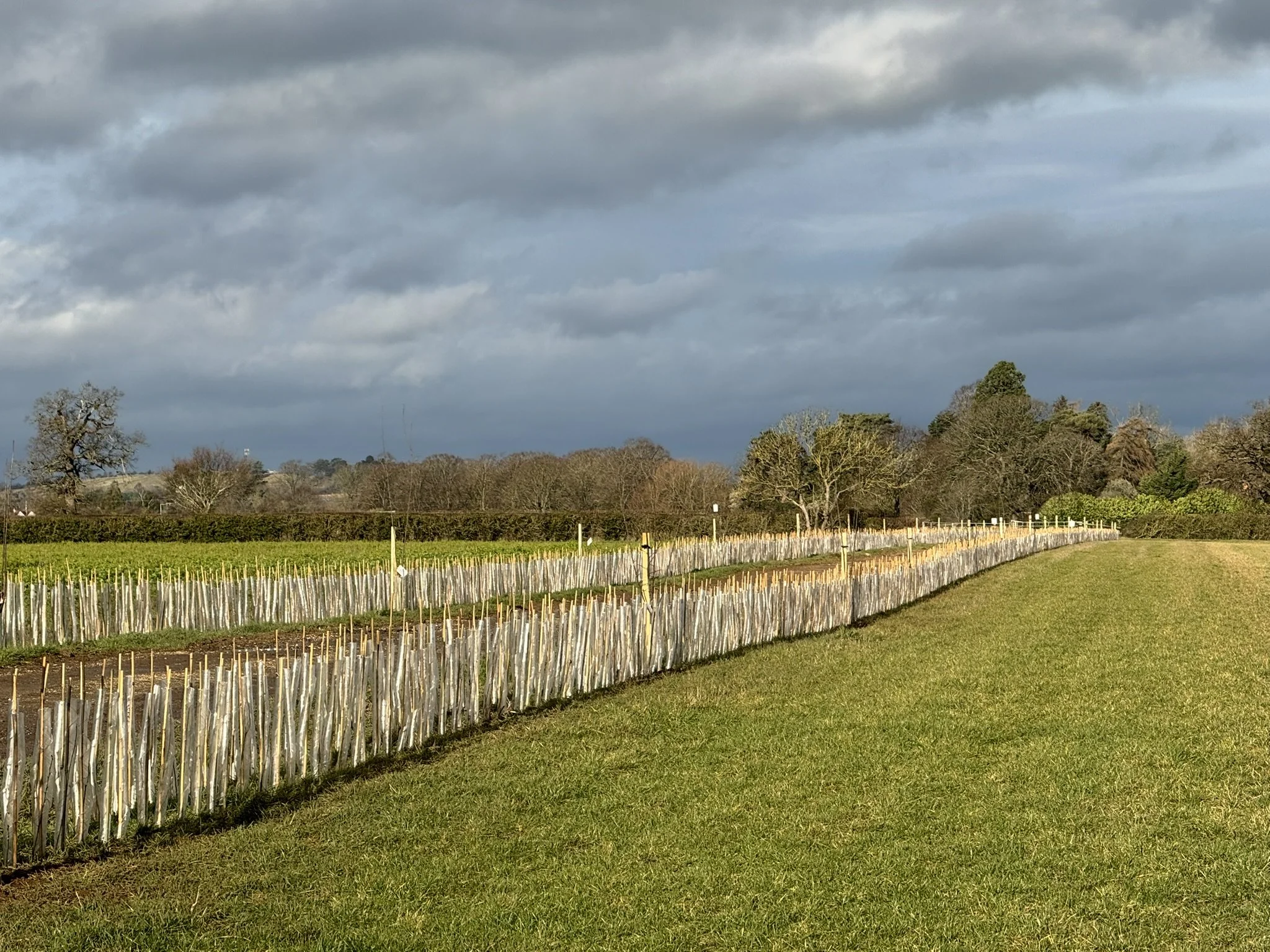
We planted a further 800 cricket bat willow tods, expanding the nursery first established in February 2025.
These new tods, together with material propagated from willow already growing on the estate and stock supplied by English Willow, will establish a dedicated nursery for producing willow sets. To support establishment during increasingly dry summers, we invested in a solar-powered water pump to provide sustainable irrigation.
Over time, the nursery will continue to expand, increasing both the number of sets produced and the number of cricket bat willows planted across the estate. Each tree will take approximately 15 years to reach maturity before being harvested for cricket bat clefts. Every harvested tree will then be replaced with a new set grown within our own nursery, creating a sustainable cycle of propagation, planting, harvesting and replanting.